

Tianjin Kewote Foot Valve Selection Guide: Analysis of Suitable Scenarios and Performance Parameters
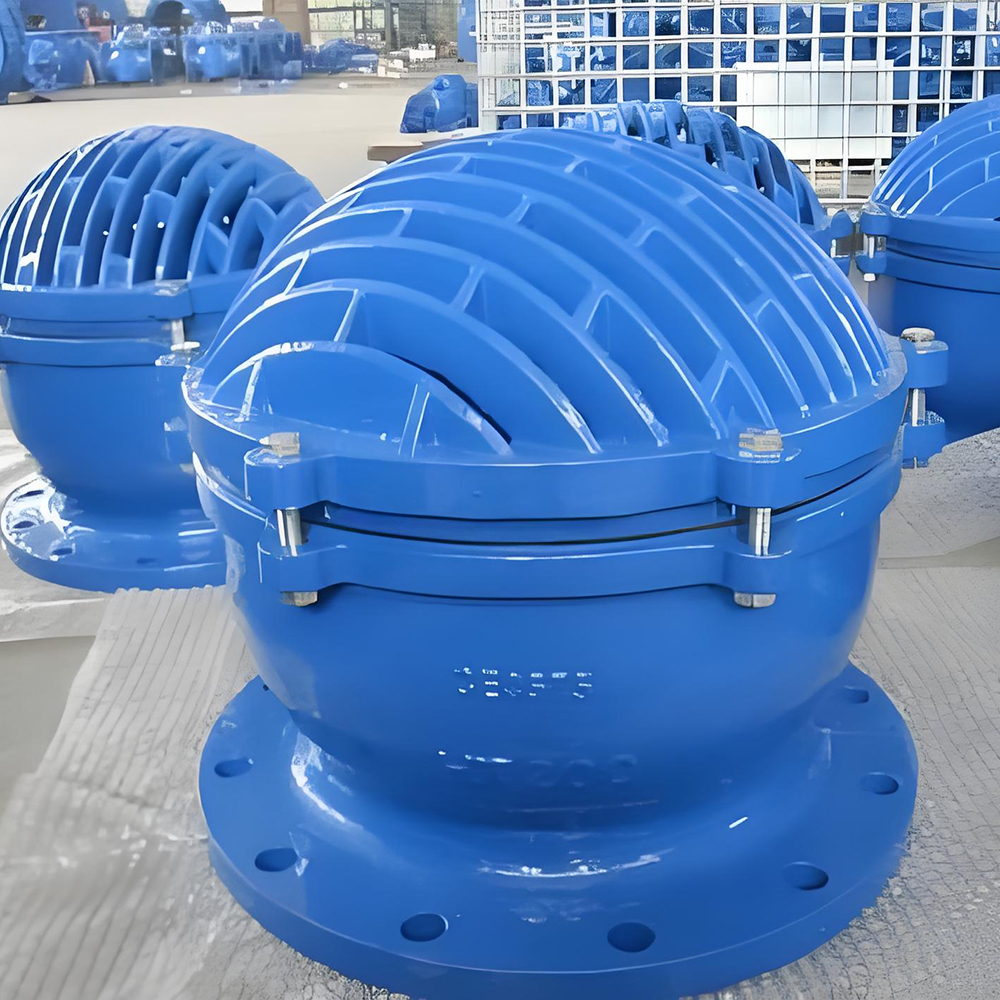
Tianjin Covot Bottom Valve Selection Guide: Applicable Scenarios and Performance Parameter Analysis
Bottom valves play a crucial role in various industrial and civilian applications involving liquid transportation and storage. They prevent liquid backflow when a pump stops, ensuring the normal operation and safety of the system. Tianjin Covot, a renowned valve brand, has earned widespread market recognition for its superior quality and performance. This article will provide an in-depth analysis of the applicable scenarios and performance parameters of Tianjin Covot's bottom valves, providing users with a comprehensive and practical selection guide.
1. Overview of Tianjin Covot Bottom Valve
Tianjin Covot specializes in the research and development, production, and sales of valves. Its extensive product range includes bottom valves made of a variety of materials, including cast iron, stainless steel, and brass, as well as various structural styles, such as straight-through and angle-type. These bottom valves are designed with the needs of diverse users in mind, utilizing advanced manufacturing processes and high-quality materials. They offer excellent sealing performance, flexible opening and closing, and strong corrosion resistance, making them widely used in industries such as water supply and drainage, chemicals, petroleum, and food.
2. Adaptation Scenario Analysis
(1) Water supply and drainage system
1. Municipal water supplyIn municipal water supply pipelines, foot valves are typically installed at the pump's suction port to prevent water from flowing back into the source when the pump is shut down, protecting the pump and piping system. Tianjin Covot's cast iron and stainless steel foot valves are both suitable for this application. Cast iron foot valves are lower cost and suitable for general municipal water supply projects; stainless steel foot valves offer greater corrosion resistance and are suitable for environments with poor water quality or those containing corrosive substances.
2. Building water supply and drainageIn the water supply and drainage systems of high-rise buildings, foot valves are used to prevent water from tanks or pools from flowing back into the water supply pipes, affecting other users' water supply. Tianjin Covot's brass foot valves are an excellent choice for building water supply and drainage systems. Brass offers excellent corrosion resistance and aesthetics, while being relatively compact and easy to install and maintain.
(2) Chemical Industry
1. Liquid transportation pipelinesLiquid pipelines in the chemical industry often transport corrosive, flammable, and explosive media. Tianjin Covot's stainless steel and special alloy bottom valves meet the needs of the chemical industry. Stainless steel bottom valves are suitable for general corrosive media, while special alloy bottom valves are designed for more corrosive media such as strong acids and alkalis, ensuring long-term stable operation in harsh chemical environments.
2. Reactors and storage tanksInstalling a bottom valve at the bottom of a chemical reactor or storage tank conveniently controls the flow of media. For these applications, a bottom valve with excellent sealing performance and flexible opening and closing is essential. Tianjin Covot's straight-through and angle-type bottom valves can be adapted to the reactor and tank structure, ensuring the proper flow and safe storage of media.
(3) Petroleum Industry
1. Oil depots and gas stationsIn oil delivery systems at oil depots and gas stations, bottom valves prevent oil from flowing back into storage tanks, thereby preventing leaks and environmental pollution. Tianjin Covot's cast iron and stainless steel bottom valves undergo special treatment to adapt to the characteristics of the oil, providing excellent sealing and corrosion resistance. Furthermore, these bottom valves comply with oil industry safety standards, ensuring safe and reliable oil delivery.
2. offshore platformThe harsh working environment of offshore platforms places extremely high demands on valve performance. Tianjin Covot's stainless steel and special alloy bottom valves are resistant to seawater corrosion and wind and wave impact, adapting to the unique environment of offshore platforms and ensuring the normal operation of oil transportation systems.
(4) Food industry
The food industry places stringent demands on valve hygiene during production. Tianjin Covot's brass and stainless steel bottom valves meet food hygiene standards and are non-toxic and non-polluting, ensuring they will not contaminate food. These bottom valves are typically installed at the bottom of food processing equipment to control the flow of food ingredients or liquids, ensuring food safety and quality.
3. Performance Parameter Analysis
(1) Nominal diameter (DN)
The nominal diameter refers to the inlet and outlet diameters of the bottom valve, which determines the flow rate of the valve. When selecting a Tianjin Covot bottom valve, the nominal diameter needs to be determined based on the system's design flow rate. Generally speaking, the larger the flow rate, the larger the required nominal diameter. Tianjin Covot bottom valves have a wide range of nominal diameters, fromDN15 to DN300 and even larger, can meet application scenarios with different flow requirements.
(2) Nominal pressure (PN)
Nominal pressure refers to the maximum pressure that the bottom valve can withstand under normal working conditions. Different industrial systems have different pressure requirements. It is necessary to select a bottom valve with appropriate nominal pressure according to the actual working pressure of the system.There are many specifications such as PN1.0, PN1.6, PN2.5, etc. Users can choose according to the pressure level of the system to ensure that the valve operates within a safe working pressure range.
(3) Sealing performance
Sealing performance is a key performance indicator for bottom valves, directly impacting their ability to effectively prevent liquid backflow. Tianjin Covot bottom valves utilize a variety of sealing technologies, such as rubber and metal seals, to ensure excellent sealing performance under diverse media and operating conditions. When selecting a valve, choose the appropriate sealing method based on the characteristics of the media and the sealing requirements. For example, for general water media, a rubber-sealed bottom valve will suffice; however, for corrosive or high-temperature media, a bottom valve with metal or special material seals may be required.
(4) Opening and closing torque
Opening and closing torque refers to the amount of force required to open or close a bottom valve. Excessive opening and closing torque increases operational difficulty and may even damage the valve. Tianjin Covot fully considered this factor when designing its bottom valves. By optimizing the valve structure and sealing method, this torque is reduced, making valve operation easier and more convenient. Furthermore, for scenarios requiring automated control, Tianjin Covot also offers bottom valves with electric or pneumatic actuators, enabling remote control and automated operation of the valves.
(5) Operating temperature range
Different media have different operating temperatures, and bottom valves must be able to operate properly within the corresponding temperature range. Tianjin Covot bottom valves have different operating temperature ranges depending on the material. For example, cast iron bottom valves are generally suitable for ambient or low temperature environments, while stainless steel and special alloy bottom valves can adapt to higher operating temperatures, and some products can even operate stably and long-term at high temperatures. When selecting a bottom valve, it is necessary to choose the appropriate material based on the actual operating temperature of the medium.
IV. Conclusion
Tianjin Covot's bottom valves offer users a wide range of options thanks to their extensive product offerings, wide range of compatible applications, and superior performance. During the selection process, users should comprehensively consider the applicable scenarios and performance parameters, making a selection based on their specific needs. Users are also advised to consult with Tianjin Covot's professional technicians for more detailed and accurate selection advice to ensure the selected bottom valve meets system requirements and provides reliable protection for industrial production and civilian life. Through proper selection and use, Tianjin Covot's bottom valves will bring users higher benefits and lower maintenance costs.
