

Gate Valve Selection Guide: 5 Critical Factors for Industrial Buyers
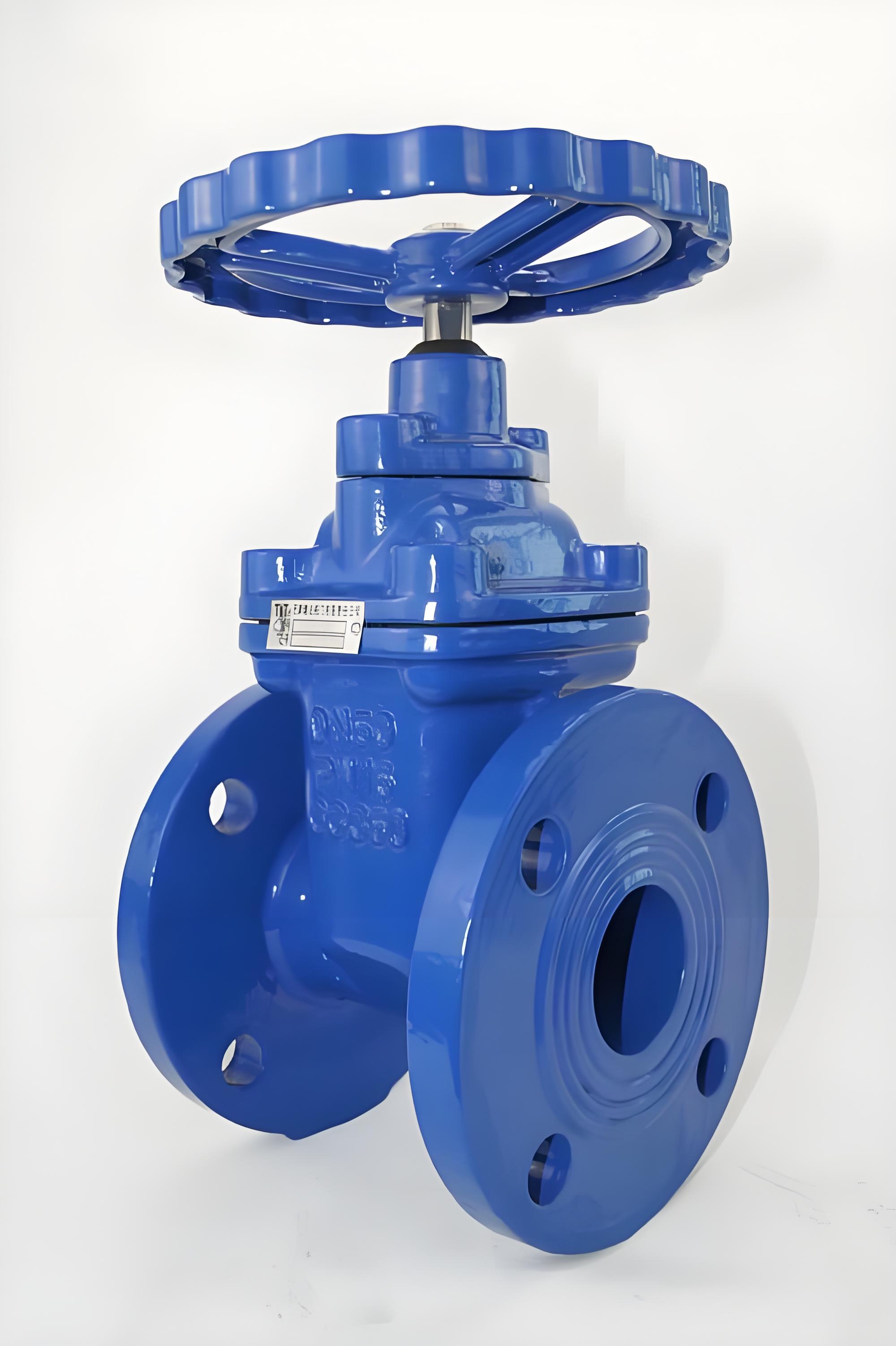
Gate Valve Selection Guide: 5 Critical Factors for Industrial Buyers
Introduction
Gate valves are essential for isolating fluid flow in pipelines across oil & gas, water treatment, and power plants. Selecting the right type requires understanding key technical parameters. This guide simplifies the decision-making process for global procurement managers .
1. Pressure Rating & Temperature Compatibility
· ANSI 150# vs. DIN PN16: For high-pressure systems (e.g., steam lines >300°C), opt for ASTM A216 Gr. WCB cast steel valves (rated for 600 MPa), while low-pressure water systems may use ductile iron (150 MPa) .
· Tip: Include pressure-temperature charts in product specs to reduce buyer confusion .
2. Material Corrosion Resistance
· Stainless steel (304/316): Ideal for chemical plants handling acids.
· Duplex steel (2205): Resists seawater corrosion in offshore rigs.
· Case Study: A Saudi oil refinery reduced valve failures by 40% after switching to duplex steel gate valves .
3. Seal Type: Metal vs. Soft Seats
· Metal seals (Stellite-coated): Withstand erosion in slurry pipelines but may leak at low pressures.
· PTFE soft seats: Zero leakage for clean fluids but degrade above 200°C 5.
4. Connection Standards
· Flange types: ANSI B16.5 (US) vs. EN 1092-1 (EU). Use RF (Raised Face) flanges for high-vibration systems .
· Welded ends: Mandatory for hazardous gas pipelines per ASME B31.8 .
5. Procurement Checklist
· Verify API 600 certification for oil/gas applications.
· Request 3D product videos to inspect internal mechanisms pre-purchase .
Conclusion
Partner with suppliers offering free valve selection tools (e.g., KWT Valve’s online calculator) to avoid costly mismatches. Download our Gate Valve Technical Spec Template .
